
_edited.png)
Top Flight Simulator Hardware and Flight Simulation Equipment Options for Realistic Training

Flight simulation is not a game. It is a serious training tool. Use the right gear. Get the best results. Realism is key. The right flight simulation equipment options make all the difference. I will guide you through the top choices. Focus on quality. Choose wisely.
Flight Simulation Equipment Options That Matter
Start with the basics. A good flight simulator setup needs several components. Each part adds to the realism. Here are the essentials:
Flight Controls: Yokes, joysticks, and rudder pedals. Choose sturdy and precise devices. They must feel like the real thing.
Throttle Quadrants: Control engine power smoothly. Multiple levers for multi-engine planes.
Instrument Panels: Realistic dials and switches. Some come with backlighting.
Visual Systems: High-resolution monitors or VR headsets. Wide field of view is crucial.
Audio Systems: Clear communication and engine sounds. Use quality headsets or speakers.
Combine these parts. Build a cockpit that mimics real aircraft. This boosts muscle memory and situational awareness.

What Devices Can You Play Flight Simulator On?
Flight simulators run on various platforms. Choose one that fits your needs and budget.
PC: The most popular choice. Offers the widest range of software and hardware compatibility. Upgrade parts easily.
Consoles: Xbox and PlayStation support some flight simulators. Limited hardware options but good for casual use.
VR Headsets: Oculus, HTC Vive, and others. Immersive experience. Requires powerful PC.
Mobile Devices: Tablets and smartphones. Portable but limited realism and controls.
For serious training, PC with dedicated flight simulation equipment is best. It supports professional-grade hardware and software.
Essential Flight Simulator Hardware for Realistic Training
Invest in quality flight simulator hardware. It makes training effective. Here are top picks:
Yokes and Joysticks
Look for force feedback and adjustable resistance.
Metal construction lasts longer.
Programmable buttons add flexibility.
Rudder Pedals
Essential for coordinated turns and ground handling.
Adjustable tension for comfort.
Non-slip base for stability.
Throttle Quadrants
Multiple levers for complex aircraft.
Smooth and precise movement.
Some models include mixture and prop controls.
Multi-Function Displays (MFDs)
Show navigation, engine data, and checklists.
Real buttons and knobs improve interaction.
Backlit for low-light conditions.
Visual Systems
Triple monitor setups or ultra-wide curved screens.
VR for full immersion.
High refresh rates reduce motion sickness.
Audio Systems
Noise-cancelling headsets for clear ATC communication.
Surround sound speakers for engine and environmental sounds.
Choose components that fit your training goals. Prioritize durability and realism.
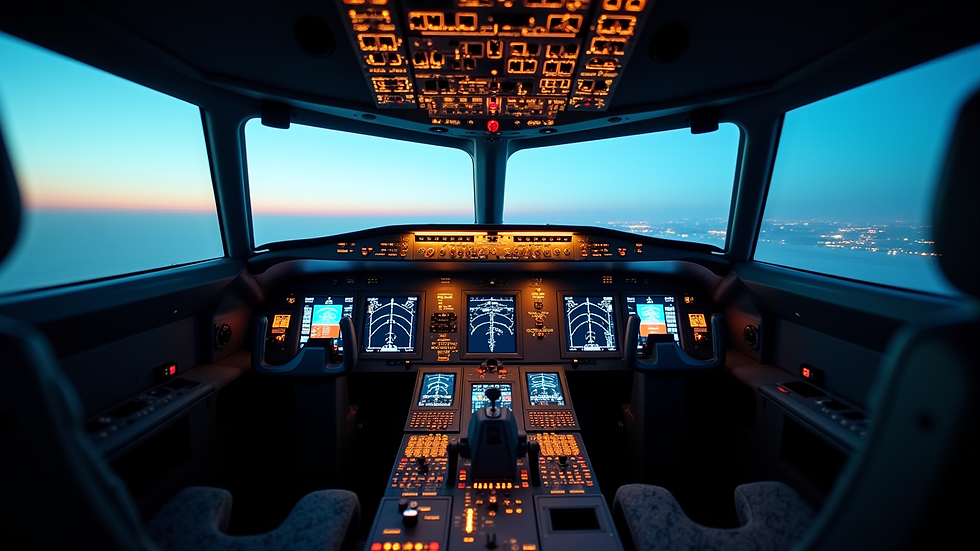
How to Set Up Your Flight Simulator for Maximum Realism
Follow these steps:
Position Controls Ergonomically
Place yoke or joystick at comfortable height.
Rudder pedals aligned with feet naturally.
Throttle quadrant within easy reach.
Calibrate Devices Regularly
Ensure accurate input response.
Use software calibration tools.
Optimize Visual Setup
Adjust monitor angles to reduce glare.
Use realistic scenery add-ons.
Configure Audio Settings
Balance engine noise and ATC volume.
Use spatial audio if available.
Practice Procedures
Use checklists and real-world flight plans.
Simulate emergencies for skill building.
A well-set simulator trains muscle memory and decision-making. It prepares you for real flights.
Why Invest in Professional Flight Simulation Equipment?
Training with professional gear pays off. Here’s why:
Realistic Feedback: Feel controls respond like real aircraft.
Improved Skills: Practice complex maneuvers safely.
Cost-Effective: Save on fuel and maintenance.
Flexible Training: Fly anytime, anywhere.
Enhanced Safety: Train for emergencies without risk.
COCKPITTURK aims to lead the market with high-quality, realistic products. Their equipment suits both hobbyists and professional training centers. Choose trusted brands. Invest in your skills.
Take Your Flight Training to the Next Level
Don’t settle for less. Upgrade your setup with the best flight simulation equipment options. Focus on precision, durability, and immersion. Use the right flight simulator hardware to train like a pro. Push your limits. Fly smarter. Fly safer!
Comments